Kyoto After Dark: Shadow, Moss, and Timber Sanctuaries
An ode to Jun'ichiro Tanizaki's aesthetic of shadows, explored through nocturnal walking routes in Japan's historic cultural cradle.
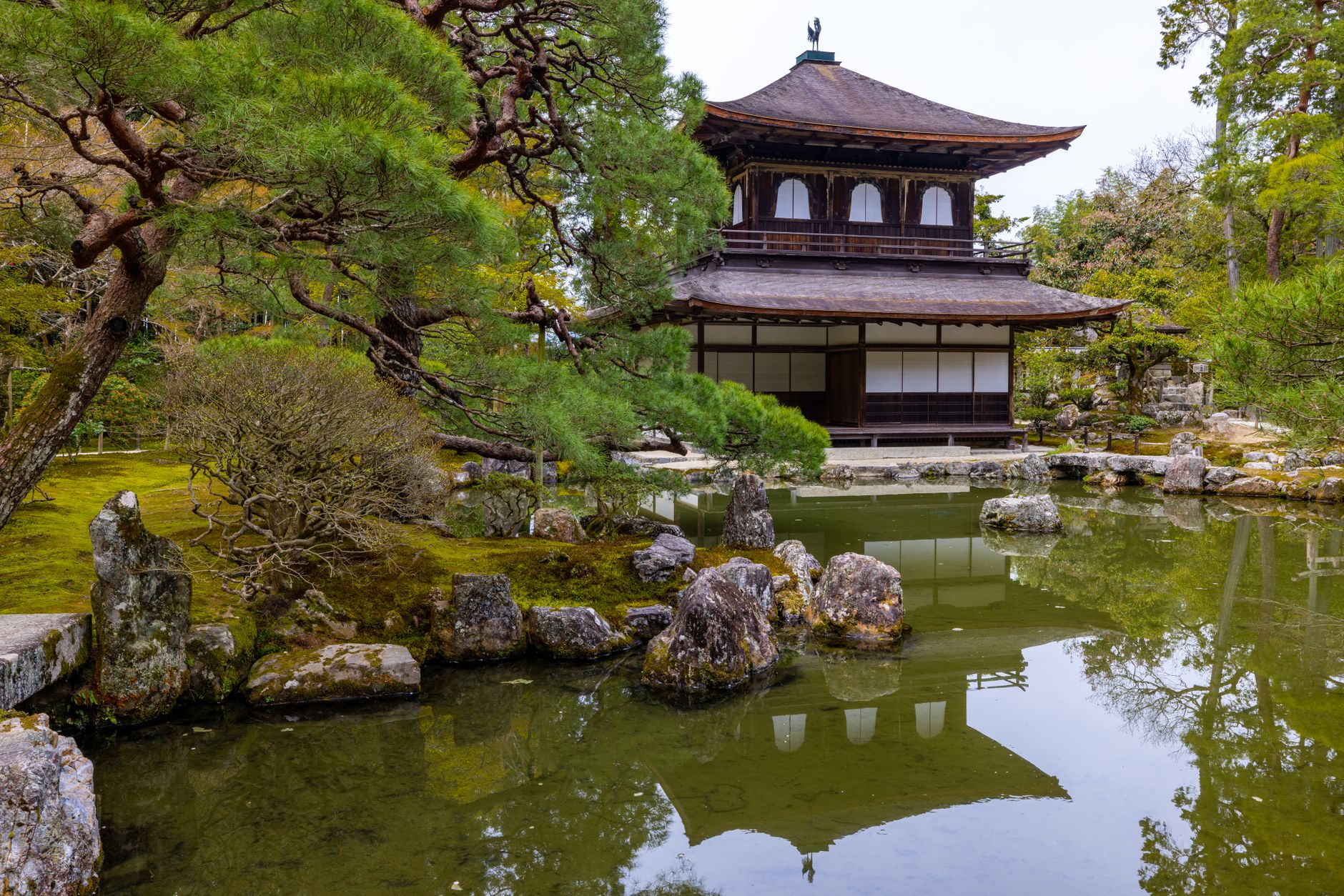
Table of Contents
When the sun dips behind the Arashiyama hills and daytime sightseeing crowds disperse, Kyoto reverts to its true nature: a city of water, cedar aromatics, and profound acoustic calm.
1. The Aesthetics of Subdued Illumination
In modern Western architecture, bright daylight and continuous illumination are equated with hygiene and luxury. However, as author Jun'ichiro Tanizaki articulated in In Praise of Shadows, traditional Japanese craftsmanship discovers beauty in the gradation of dimness: gold leaf catching subtle candlelight, unlacquered wood gaining patina from gentle use, and paper shoji screens filtering soft dusk.
Wandering down the flagstone lanes of Miyagawacho at 10:00 PM, one hears the gentle flow of water along roadside drainage conduits. The lantern lights do not glare; they glow with an inviting warmth that encourages lower voices and unhurried footsteps.
2. Sleeping in a Restored Machiya Townhouse
To truly grasp Kyoto, one should stay inside a preserved timber machiya rather than a high-rise international hotel chain. These traditional merchant dwellings feature narrow street facades that open into deep interior courtyards known as tsuboniwa.
In the tsuboniwa, rain falls gently onto granite stepping stones and damp cushion moss. Inside, the subtle fragrance of tatami rushes fills the air. Here, living requires mindful physical interaction: removing shoes, sliding cedar screens smoothly on their wooden tracks, and noticing the changing angle of evening moonlight.
3. The Unbroken Lineage of Uji Tea Culture
Just south of Kyoto along the Uji River, family estates continue harvesting shaded tea leaves by hand. The meticulous preparation of gyokuro tea mirrors the slow pacing of the city: water cooled down to 60 degrees Celsius, steeping for precisely two minutes, yielding a broth rich in umami that is savored in slow sips.
4. Etiquette for Silent Night Explorations
Historic residential areas are living neighborhoods, not entertainment stages. Visitors should honor local privacy by avoiding flash photography outside private homes, speaking in quiet conversational tones, and respecting marked private accessways throughout Gion and Higashiyama.

Dr. Sophia Lind
Dr. Sophia Lind is a cultural anthropologist specializing in East Asian architectural preservation and slow tourism practices.